

Radiations play a crucial role in medical diagnosis, enabling healthcare professionals to visualize and diagnose various conditions with precision and accuracy Exact Match. However, it is essential to comprehend the potential risks associated with medical radiations and adopt necessary precautions to minimize exposure.
This article delves into the advancements in technology that ensure safer medical radiations, while also addressing the ethical considerations that arise when balancing the benefits and risks.
Gain insight into the world of radiations in medical and navigate the complexities with confidence.
The Role of Radiations in Medical Diagnosis
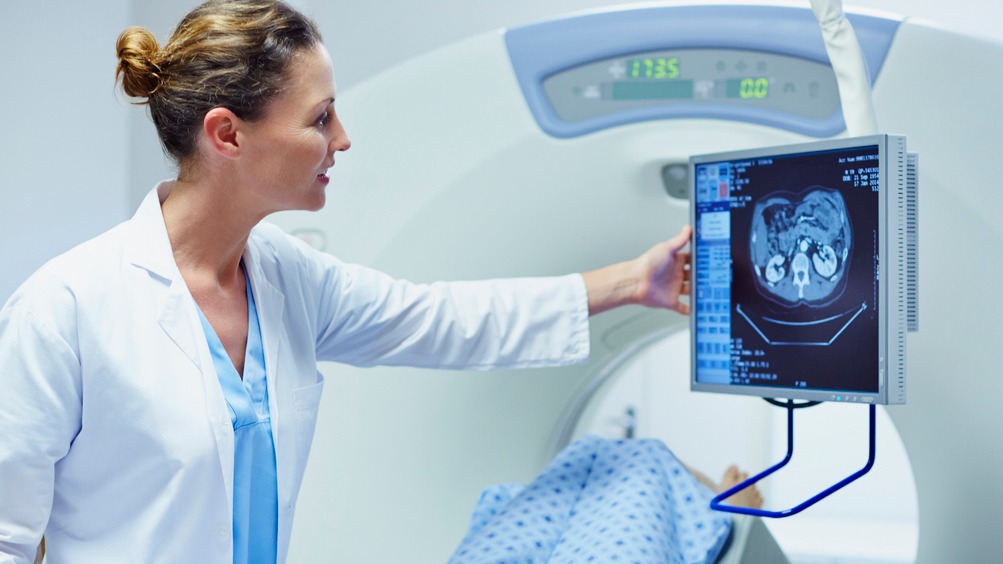
Radiations play a crucial role in medical diagnosis, aiding in the detection and monitoring of various diseases and conditions. Radiation therapy, also known as radiotherapy, is a treatment method that utilizes high-energy radiation to target and destroy cancer cells Longtail. This therapy is often used in conjunction with other treatments, such as surgery or chemotherapy, to ensure a comprehensive approach to cancer management.
Radiological imaging techniques, on the other hand, utilize different types of radiation, such as X-rays, CT scans, and MRI scans, to create detailed images of the internal structures of the body. These images provide valuable information about the presence of abnormalities, such as tumors, fractures, or infections, allowing healthcare professionals to make accurate diagnoses and develop appropriate treatment plans.
Moreover, radiological imaging is essential for monitoring the progress of treatments and assessing the effectiveness of interventions.
Understanding the Potential Risks of Medical Radiations
When it comes to diagnostic procedures involving the use of imaging technologies, it is important for healthcare professionals and patients alike to have a comprehensive understanding of the potential risks associated with these procedures.
The risks assessment plays a crucial role in ensuring radiation safety during medical imaging. To assess the risks, healthcare professionals consider several factors, such as the type of imaging modality used, the dosage of radiation administered, and the individual’s age and medical history.
Additionally, radiation safety protocols, including the use of shielding devices and minimizing exposure time, are implemented to reduce potential risks.
It is essential for patients to be aware of the risks associated with medical radiations, as well as the measures taken to mitigate them. This knowledge empowers individuals to make informed decisions and actively participate in their healthcare journey.
Precautions to Minimize Radiation Exposure in Medical Procedures
To ensure the safety of patients undergoing medical procedures, healthcare professionals implement a range of precautions aimed at minimizing radiation exposure. One crucial aspect of radiation safety is the importance of radiation shielding. This involves the use of lead aprons, leaded glasses, and protective barriers to prevent unnecessary exposure to ionizing radiation.
Additionally, healthcare professionals undergo extensive training and education in radiation safety to ensure they are equipped with the knowledge and skills necessary to minimize radiation exposure during medical procedures. This includes understanding the principles of radiation protection, proper use of radiation monitoring devices, and adherence to established protocols and guidelines.
Advancements in Technology for Safer Medical Radiations
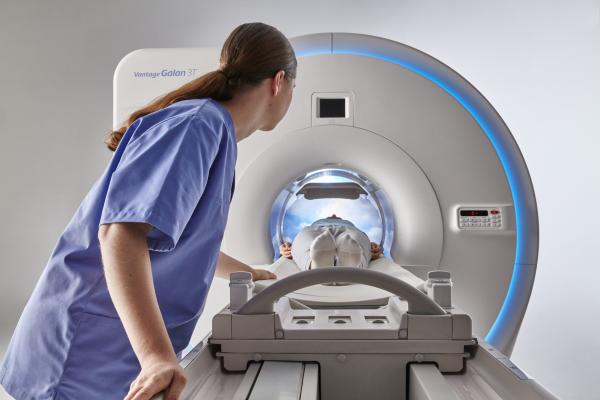
The development of advanced technology has significantly enhanced the safety measures implemented in medical procedures involving ionizing radiation. Radiation safety is a crucial concern in medical settings, particularly in radiation therapy advancements.
With the aim of minimizing patient exposure to harmful radiation, various innovative techniques and devices have been developed. One such advancement is the use of image-guided radiation therapy (IGRT), which allows for precise targeting of tumors while sparing nearby healthy tissues.
Additionally, intensity-modulated radiation therapy (IMRT) delivers radiation in a highly conformal manner, further reducing the risk of damage to surrounding organs.
Furthermore, advancements in radiation detection and monitoring systems have improved the accuracy and reliability of dose measurements, ensuring that patients receive the appropriate amount of radiation.
These technological advancements have revolutionized medical radiations, offering safer and more effective treatment options for patients.
Balancing Benefits and Risks: Ethical Considerations in Medical Radiations
Ethical considerations play a significant role in ensuring a careful balance between the benefits and risks associated with the use of radiation in medical procedures.
The use of radiation in medical imaging and therapy offers immense advantages in diagnosing and treating various conditions. However, it also poses potential risks to the patients, including radiation-induced cancers and other long-term side effects.
Consequently, ethical implications arise in terms of obtaining informed patient consent for these procedures. Patient consent is crucial as it allows individuals to make informed decisions about their healthcare, weighing the potential benefits against the associated risks.
Furthermore, ethical considerations also encompass the responsibility of healthcare professionals to minimize radiation exposure by employing the ALARA principle (As Low As Reasonably Achievable) and ensuring that appropriate shielding measures are in place.
Conclusion
In conclusion, radiations play a crucial role in medical diagnosis, allowing for the detection and treatment of various illnesses and conditions.
However, it is important to understand and mitigate the potential risks associated with medical radiations. By implementing precautions to minimize radiation exposure and utilizing advancements in technology, medical procedures can be made safer.
Ethical considerations should also be taken into account to ensure a balanced approach that maximizes benefits while minimizing risks in the use of medical radiations.
