

A hands-on dog grooming academy teaches essential skills such as regular brushing, bathing, nail trimming, and ear cleaning. Students learn breed-specific cuts to highlight unique features while mastering gentle handling techniques to calm anxious dogs. Hygiene protocols guarantee safety for both groomers and pets dog grooming academy. Additionally, the curriculum covers building client trust and managing a grooming business. These foundational skills prepare aspiring groomers for professional success and reveal deeper insights into the craft.
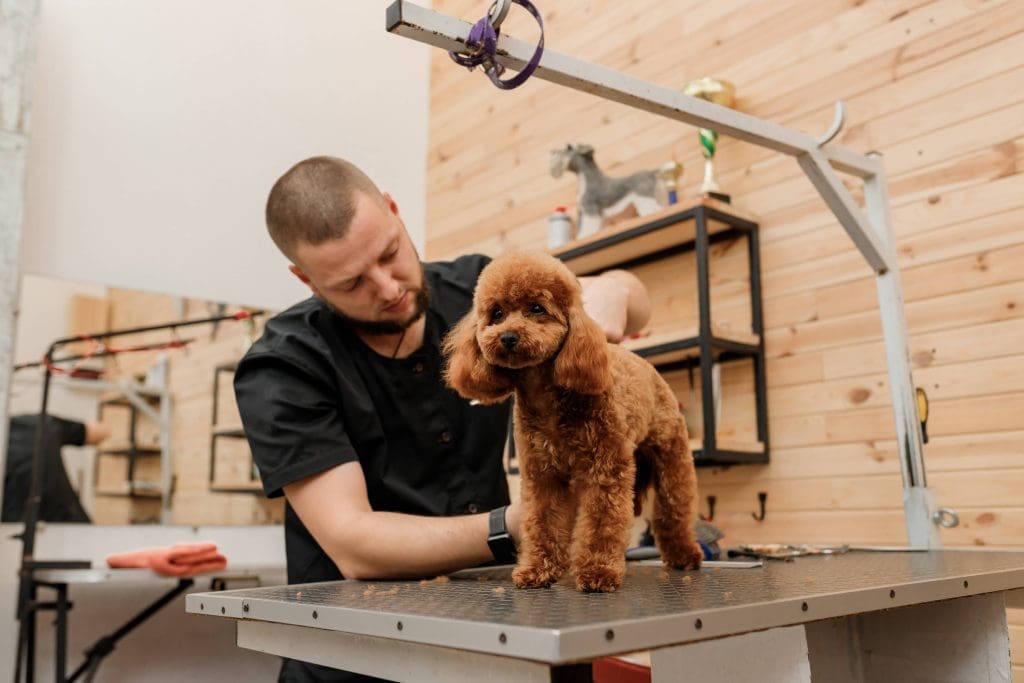
Essential Grooming Techniques and Tools
Although grooming styles vary by breed, certain fundamental techniques and tools remain vital for maintaining a dog’s health and appearance.
Regular brushing prevents matting and distributes natural oils, promoting a healthy coat. Bathing with dog-specific shampoos removes dirt and allergens without irritating the skin. Nail trimming is essential to avoid discomfort and mobility issues, using clippers designed for different nail types.
Ear cleaning prevents infections by removing excess wax and debris safely cosmos pet universe. Basic grooming tools include slicker brushes, combs, nail clippers, and grooming scissors, each serving a specific purpose.
Mastery of these techniques empowers individuals to care for dogs confidently, ensuring comfort and hygiene while honoring the animal’s natural form. This foundational knowledge supports a grooming routine that respects both freedom and well-being.
Breed-Specific Styling and Cuts
Many dog breeds require distinct grooming styles that highlight their unique physical traits and meet breed standards. In a hands-on dog grooming academy, students learn to execute breed-specific cuts that enhance a dog’s natural form while adhering to recognized guidelines.
This skill guarantees the dog’s coat not only looks polished but also functions to protect and comfort the animal. Trainees explore various techniques tailored to breeds such as Poodles, Terriers, and Spaniels, mastering trims that emphasize characteristic silhouettes and textures.
Understanding these styles empowers groomers to offer personalized care, balancing aesthetics with the dog’s well-being. By honing breed-specific skills, groomers gain the freedom to confidently adapt their approach, honoring each dog’s individuality within professional standards.
Handling and Calming Anxious Dogs
Effective handling of anxious dogs is a critical skill in professional grooming environments. Grooming academies teach techniques to recognize stress signals and respond with calm, confident actions.
Trainers emphasize gentle restraint methods that respect the dog’s comfort, reducing fear and promoting cooperation. Students learn to use soothing tones, slow movements, and strategic breaks to ease tension.
Positive reinforcement, such as treats and praise, helps build trust and encourages relaxed behavior. Understanding individual temperaments allows groomers to adapt approaches, creating a safer experience for both dog and handler.
Mastery of these skills enables groomers to maintain control without causing distress, ensuring grooming sessions proceed smoothly and dogs remain as calm as possible throughout the process.

Hygiene and Safety Protocols
When working in a grooming environment, strict hygiene and safety protocols are essential to prevent the spread of disease and protect both animals and handlers.
Grooming academies emphasize routine sanitation of tools, workspaces, and bathing areas to maintain a clean setting. Proper disposal of waste and regular handwashing reduce cross-contamination risks.
Safety measures include using appropriate restraint techniques that respect the dog’s comfort while ensuring control. Groomers learn to identify signs of illness or injury, pausing services when necessary to safeguard health.
Training also covers safe handling of grooming equipment to avoid accidents. By mastering these protocols, students gain confidence in creating a secure environment that honors the well-being and freedom of every dog they care for.
Building Client Relationships and Business Skills
Trust forms the foundation of successful client relationships in the dog grooming industry. Grooming academies emphasize not only technical skills but also the importance of clear communication and professionalism.
Building rapport encourages repeat business and client loyalty, crucial for sustaining an independent grooming career. Additionally, business acumen is essential for those seeking freedom through entrepreneurship.
Core competencies taught include:
- Effective client consultation and active listening
- Managing appointments and client records
- Pricing strategies and financial management
- Marketing techniques, including social media presence
- Handling feedback and conflict resolution
Mastering these skills enables groomers to create a thriving business while maintaining strong client bonds, ultimately fostering autonomy and long-term success in the competitive grooming market.
Conclusion
A hands-on dog grooming academy offers thorough training that covers essential techniques, breed-specific styling, and effective handling of anxious dogs. Emphasizing hygiene and safety protocols guarantees a professional grooming environment. Additionally, the curriculum often includes building client relationships and business skills, preparing students for a successful career. This practical approach equips aspiring groomers with the confidence and expertise needed to meet industry standards and client expectations efficiently.
